The Story of Art
Verdict 10/10
An essential text—timeless, authoritative, and unmatched in its ability to introduce the history of art with both clarity and conviction.
Review
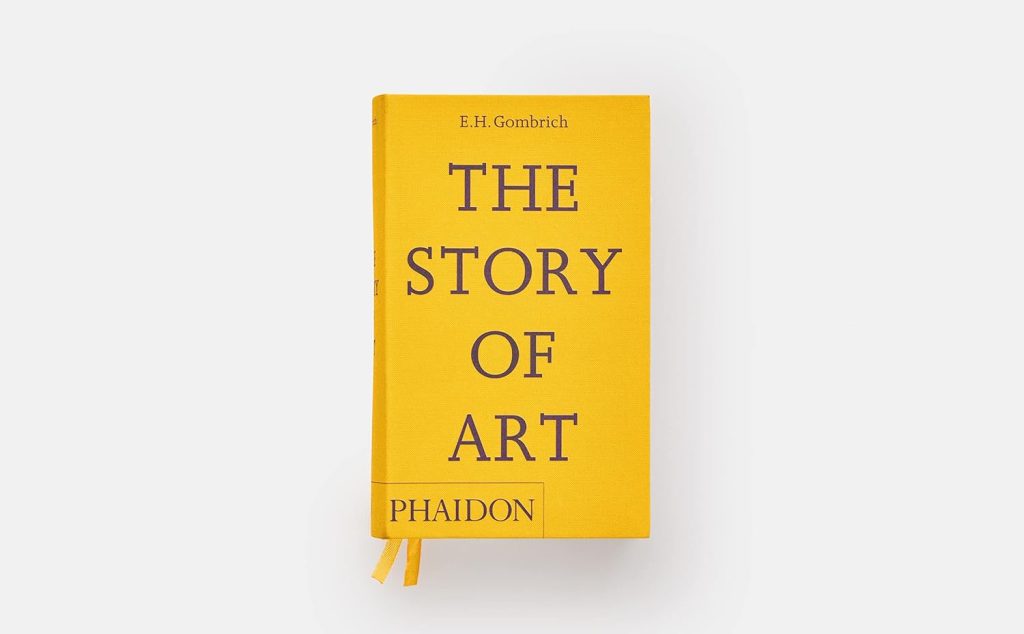
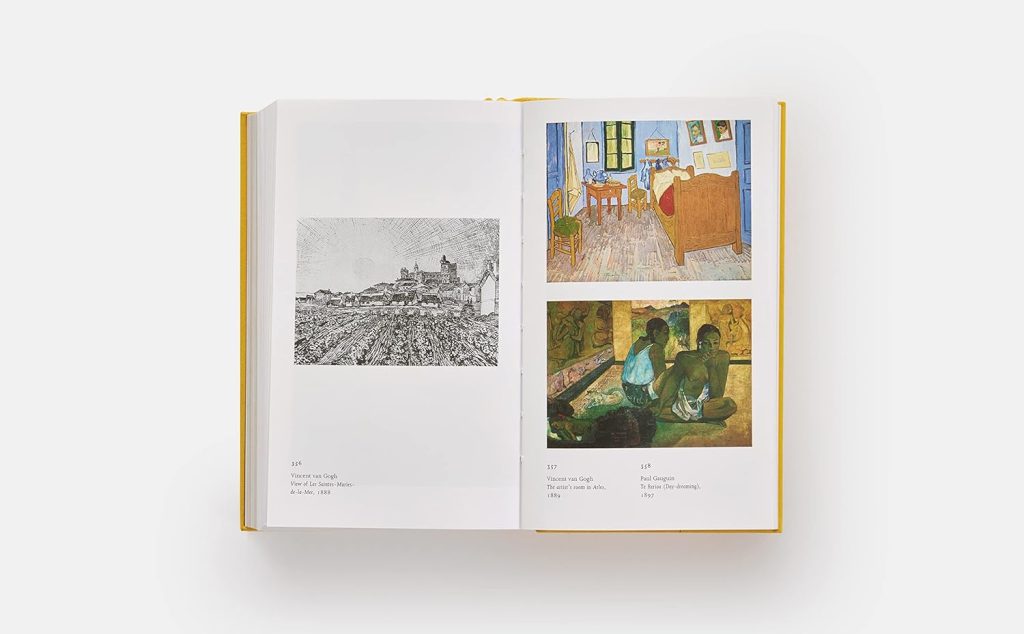
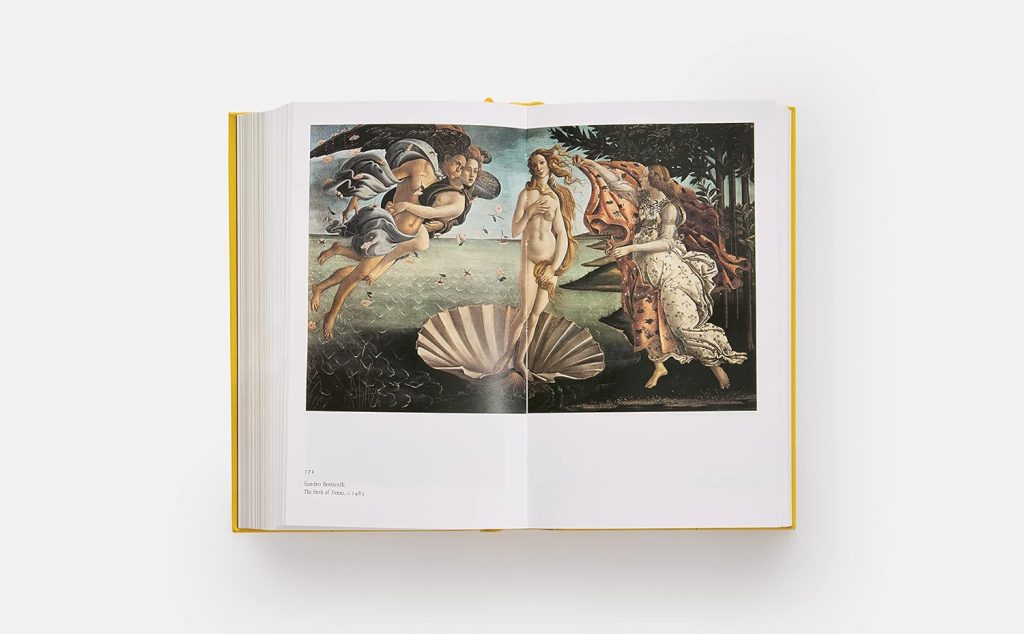
Few books in the history of art publishing have achieved the enduring authority and widespread appeal of The Story of Art. For over half a century, it has stood as a global bestseller—widely regarded as the finest and most accessible introduction to art ever written. Published in more than thirty languages, its reach extends across generations, disciplines, and levels of expertise, securing its place as a foundational text within both academic institutions and personal libraries.
What distinguishes this work is not merely the breadth of its historical scope, but the remarkable clarity with which its author, E. H. Gombrich, communicates complex ideas. Gombrich possesses a rare ability: he does not simply recount the history of art, but animates it. Through lucid prose and carefully structured narrative, he invites the reader into an evolving conversation—one that traces the development of artistic expression from its earliest origins to the modern age without ever becoming obscure or inaccessible.
The enduring success of The Story of Art lies in this balance between intellectual rigour and readability. Gombrich writes neither as an aloof academic nor as a simplifier of content, but as a guide—one whose deep knowledge is matched by a genuine enthusiasm for the subject. Readers of all ages and backgrounds are drawn into the text not through obligation, but through curiosity, discovering in its pages both a structured education and a sustained sense of wonder.
This latest edition, updated with a refined contemporary cover and a new preface by Gombrich’s granddaughter Leonie, ensures that the book continues to speak to a new generation of readers. The pocket format further enhances its accessibility, transforming what might otherwise be considered a canonical volume into a companionable and portable entry point into the history of art.
Importantly, The Story of Art does not overwhelm. It resists the temptation to catalogue exhaustively or to impose rigid theoretical frameworks. Instead, it offers something far more valuable for the student: orientation. It provides a coherent pathway through the vast terrain of art history, enabling readers to build a visual and conceptual foundation upon which more specialised knowledge can later be constructed.
For newcomers, it remains the definitive starting point. For more advanced readers, it offers a reminder of the discipline’s core narratives and enduring questions. And for educators, it continues to function as an indispensable teaching tool—clear, engaging, and intellectually generous.
In an era saturated with fragmented information and rapid visual consumption, The Story of Art retains its relevance precisely because of its measured pace and narrative coherence. It does not compete with the noise of contemporary media; it quietly outlasts it.
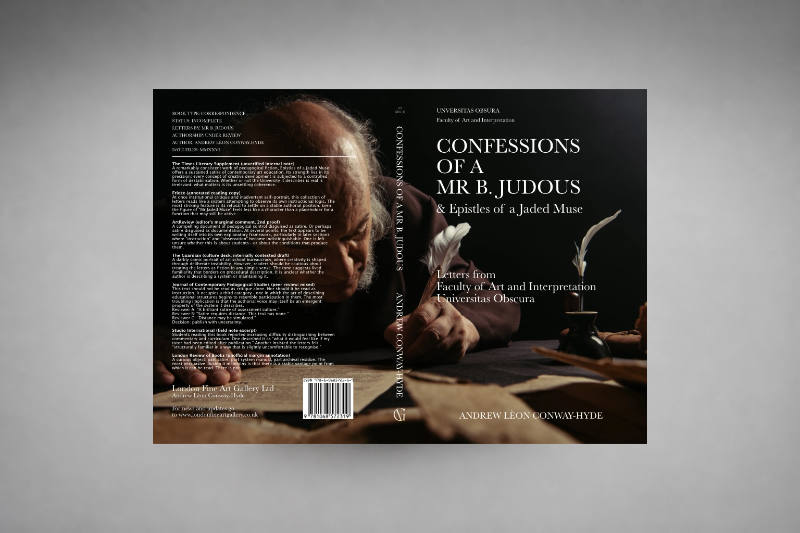
Confessions of a Mr. B Judous
Verdict 09/10
A sophisticated and intellectually agile work that challenges the reader to reconsider not only art, but the very frameworks through which meaning is constructed. Demanding, precise, and quietly subversive—this is a book that does not conclude so much as it continues to unfold in the mind of its reader.
Review
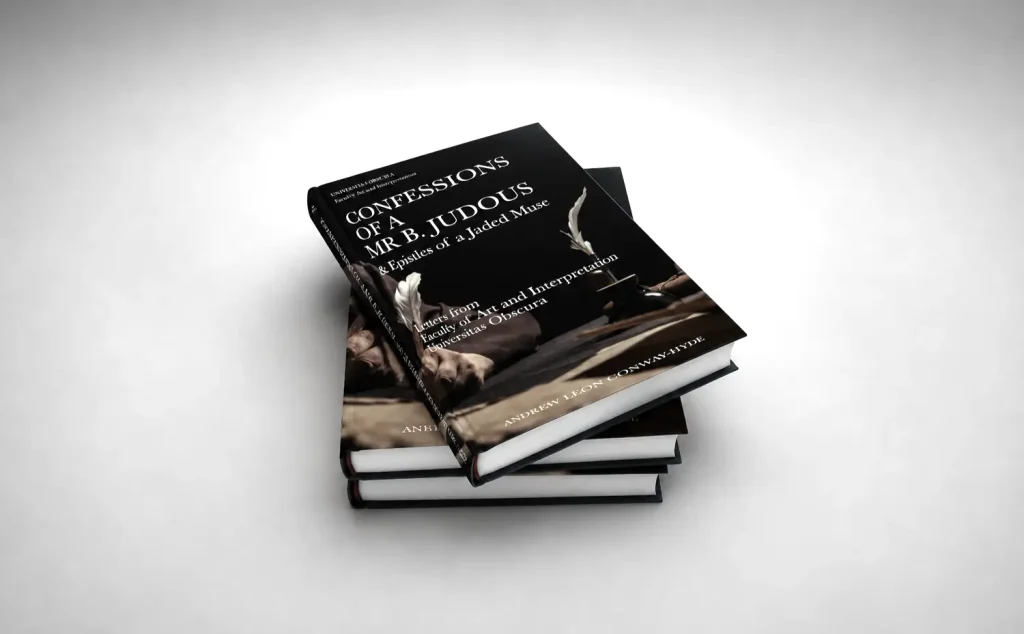
Confessions of a Mr B. Judous presents itself not merely as a collection of letters, but as a sustained intellectual performance—one that operates at the intersection of art criticism, pedagogy, and philosophical inquiry. Framed as a correspondence between the enigmatic Mr B. Judous and an implied interlocutor, the book unfolds as a series of carefully constructed reflections on art, interpretation, authorship, and the systems through which meaning is produced and stabilised.
At its core, the work is concerned with misreading—not as failure, but as method. Each letter begins with a recognisable assumption, often drawn from the habits of students, critics, or institutional frameworks, only to dismantle it through a series of increasingly complex positions. What emerges is not a single argument, but a shifting field of interpretations, where meaning is never fixed, only negotiated.
The voice of Mr B. Judous is central to the book’s success. It is precise, controlled, and quietly satirical. There is an academic authority present throughout, yet it is consistently undercut by moments of dry humour and subtle irony. The effect is disarming. One is never quite sure whether one is being instructed, corrected, or gently exposed. This ambiguity is not incidental—it is structural. The reader becomes implicated in the very processes the book seeks to analyse.
The format of letters proves particularly effective. It allows for both intimacy and distance, creating a rhythm of engagement that is at once personal and didactic. Each letter is self-contained, yet contributes to a cumulative progression, where earlier ideas are revisited, reframed, and destabilised. Over time, the text develops a quiet momentum, moving from questions of artistic intention and ownership toward broader philosophical concerns surrounding truth, control, and the construction of reality itself.
What distinguishes Confessions of a Mr B. Judous from conventional art writing is its refusal to settle. It resists the clarity it so elegantly performs. Just as a concept appears to stabilise, it is reintroduced under a different condition, revealing its contingency. This recursive structure mirrors the very nature of interpretation, where certainty is always provisional and meaning remains subject to revision.
There is also a notable engagement with institutional critique. The text subtly exposes the mechanisms through which art is taught, valued, and legitimised, often revealing the contradictions embedded within these systems. Yet this critique is never heavy-handed. It operates through suggestion rather than declaration, allowing the reader to arrive at their own recognition of these structures.
Visually and conceptually, the book aligns with a broader tradition of intellectual correspondence—from Enlightenment letters to more contemporary philosophical texts—while maintaining a distinctly modern sensibility. Its concerns with perception, authorship, and interpretive instability place it firmly within current theoretical discourse, particularly in relation to hermeneutics and the probabilistic nature of meaning.
For students of art, the book offers something rare: not instruction, but recalibration. It does not tell the reader what to think; it alters the conditions under which thinking occurs. For practitioners, it provides a mirror—one that reflects not only their work, but the assumptions that underpin it. And for those engaged in theory, it presents a quietly rigorous exploration of interpretation as an active, unstable process.
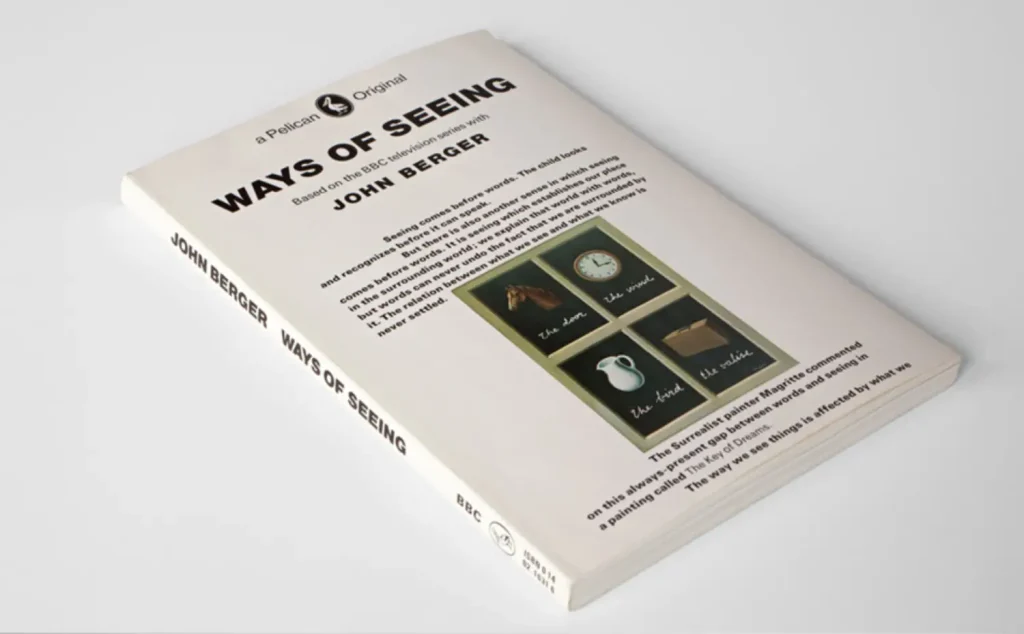
Ways of Seeing
Verdict 09/10
A concise yet transformative work. Ways of Seeing does not simply teach you about images—it changes how you look at them. Essential reading for any student of art, media, or visual culture.
Review
Few books have altered the way we encounter images as decisively as Ways of Seeing. First published in 1972 and developed from the BBC television series, John Berger’s slim volume remains one of the most influential works of visual culture in the modern era—precisely because it refuses to treat seeing as neutral.
Berger’s central claim is disarmingly simple: the act of looking is conditioned. What we see is shaped by history, by ideology, by social structures, and by the technologies through which images circulate. From this premise, the book unfolds as a series of concise essays—some purely visual, others textual—that interrogate the traditions of Western painting, the representation of women, and the transformation of art under mechanical reproduction.
The most enduring sections are those that dismantle the authority of “high art.” Berger repositions canonical paintings not as timeless objects of reverence, but as artefacts embedded within systems of power—economic, gendered, and institutional. His analysis of oil painting, for instance, reframes it as a medium deeply tied to the display of wealth and possession. What once appeared purely aesthetic becomes legible as social signal.
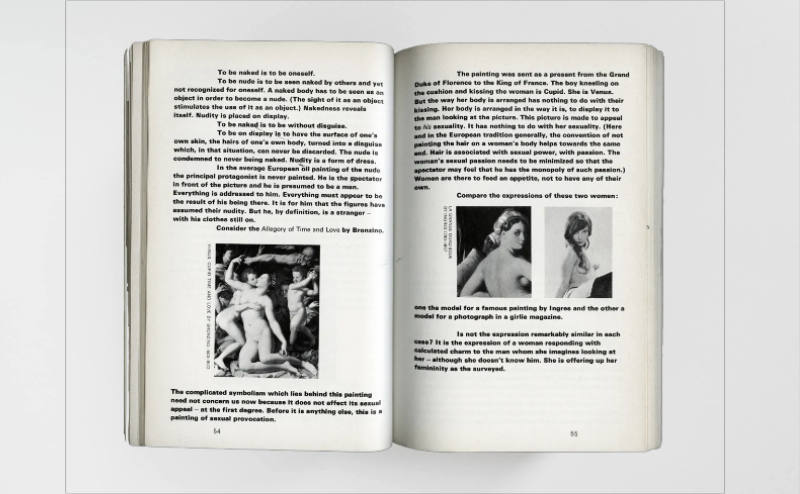
Equally significant is Berger’s examination of the female nude. His distinction between being seen and being looked atremains foundational to feminist visual theory. Here, the book reveals one of its greatest strengths: its ability to articulate complex ideological structures in language that is both accessible and precise. The reader is not overwhelmed by theory, but quietly reoriented by it.
Formally, Ways of Seeing is as radical as its content. The inclusion of image-only essays—sequences of photographs and artworks presented without commentary—forces the reader into an active role. Interpretation is not delivered; it is demanded. This structural choice reinforces Berger’s argument: meaning is not inherent in images, but produced through the act of viewing.
What makes the book particularly powerful for students is its immediacy. Unlike more abstract theoretical texts, Berger writes with clarity and urgency. His tone is direct, occasionally polemical, but always grounded in a desire to democratise understanding. He does not obscure meaning behind jargon; he exposes the mechanisms that produce it.
That said, Ways of Seeing is not without its limitations. Some of its arguments, especially regarding gender and representation, reflect the intellectual context of the early 1970s and have since been expanded upon by later theorists. Yet this does little to diminish its importance. If anything, it underscores the book’s role as a point of departure—a catalyst rather than a conclusion.
In today’s image-saturated world—defined by social media, advertising, and algorithmic curation—Berger’s insights feel more relevant than ever. The conditions of seeing have become even more complex, but the underlying structures he identifies remain intact.
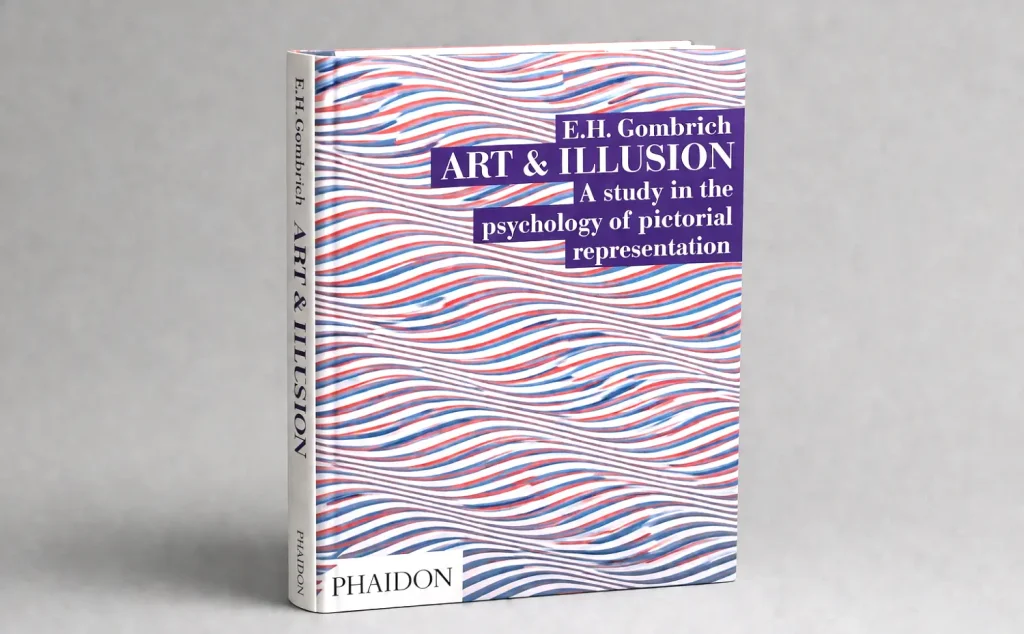
Art and Illusion
Verdict 09/10
A rigorous and intellectually transformative work. Challenging but essential, Art and Illusion reshapes our understanding of representation, revealing that what we see is never simply given—but actively constructed.
Review
If The Story of Art introduces the history of images, Art and Illusion interrogates the very conditions under which images become believable. In this landmark study, E. H. Gombrich shifts the discussion of art away from style and chronology toward a far more fundamental question: how do we come to see representation as “real”?
Gombrich’s answer is neither simple nor reductive. Rejecting the notion that artists merely copy the world, he proposes instead a dynamic process of “schema and correction.” Artists begin with inherited conventions—schemas—through which they attempt to depict reality. These attempts are then adjusted, refined, and reworked through observation and feedback. Representation, in this sense, is not a mirror of nature but an evolving negotiation between expectation and perception.
This insight alone marks a profound shift in art theory. It reframes realism not as a technical achievement, but as a psychological one. What we recognise as convincing depends as much on the viewer’s habits of seeing as on the artist’s skill. Gombrich draws extensively on psychology, optics, and the history of visual perception to support this claim, positioning the act of viewing as an active, interpretive process rather than a passive reception of images.
One of the book’s greatest strengths lies in its interdisciplinary reach. Long before the rise of contemporary neuroaesthetics, Gombrich anticipates many of its central concerns. His discussions of illusion, expectation, and visual decoding resonate strongly with modern theories of perception, particularly those that emphasise prediction and cognitive processing. For the contemporary reader, this gives the text a surprising relevance—it feels less like a historical document and more like a precursor to current scientific approaches to vision and cognition.
Yet Art and Illusion is not an easy read. It demands attention, patience, and a willingness to engage with dense argumentation. Gombrich does not simplify his ideas for accessibility; instead, he builds them carefully, often returning to the same problem from multiple angles. This can feel demanding, particularly for newcomers, but it is also what gives the book its intellectual weight. The reader is not led passively through conclusions, but invited to participate in the construction of them.
Visually, the book is rich with examples—illustrations, diagrams, and comparative images that reinforce its arguments. These are not decorative additions, but essential components of the text’s reasoning. They function as evidence, demonstrating how perception can be manipulated, misdirected, or stabilised through visual means.
Importantly, Gombrich resists the temptation to offer a final, unified theory of art. Instead, he presents a framework—a way of thinking about representation that remains open, adaptable, and subject to revision. This restraint is part of the book’s enduring strength. It does not close down inquiry; it expands it.
For students of art, Art and Illusion is a crucial turning point. It marks the transition from learning what art is to understanding how it works. For theorists, it provides a foundational text that continues to inform discussions of perception, representation, and visual cognition. And for practitioners, it offers a deeper awareness of the mechanisms through which images communicate and persuade.
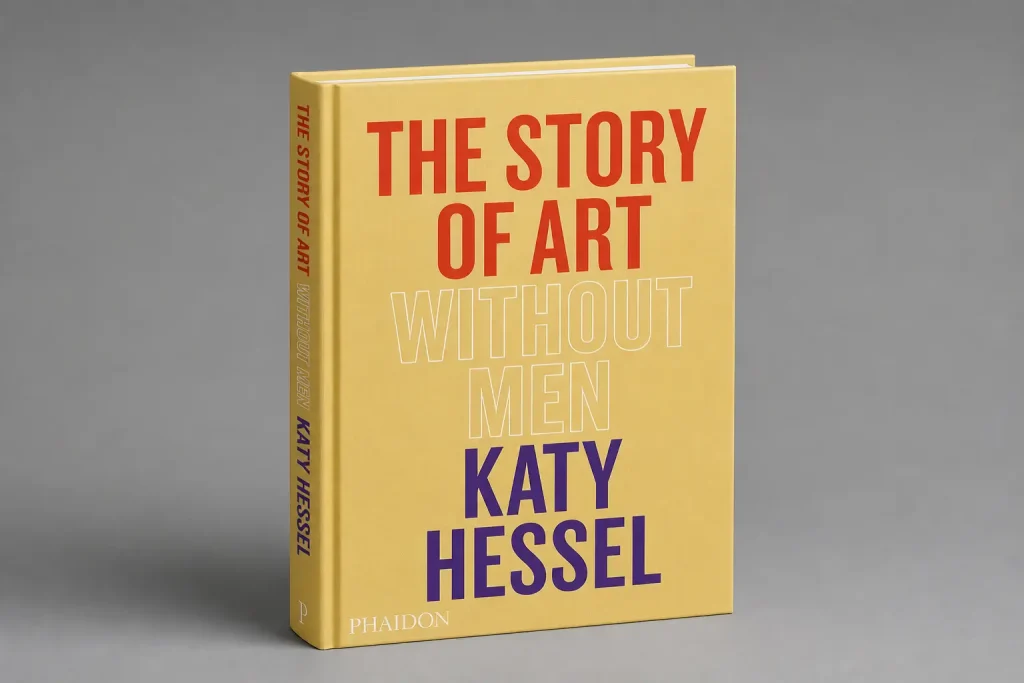
The Story of Art Without Men
Verdict 09/10
A vital and timely rethinking of art history. Accessible, insightful, and quietly transformative, The Story of Art Without Men broadens the field, demonstrating that the story of art has always been richer—and more complex—than we were led to believe.
Review
The Story of Art Without Men arrives not simply as an alternative to traditional art history but as a necessary corrective. In this ambitious and engaging volume, Katy Hessel undertakes the formidable task of re-narrating over five centuries of artistic production through the work of women—artists who have too often been marginalised, overlooked, or entirely excluded from canonical accounts.
At first glance, the premise may appear provocative, even reductive: to tell the story of art “without men.” Yet the strength of the book lies precisely in its refusal to treat this as a gimmick. Instead, Hessel reveals the extent to which the traditional narrative has always been partial. By shifting the focus, she does not diminish art history; she expands it.
The book moves chronologically, tracing a lineage from early modern figures to contemporary practitioners, constructing a parallel history that is at once richly detailed and strikingly accessible. What becomes immediately apparent is not the absence of women from art history, but the persistence of their contributions despite systemic barriers—educational, institutional, and cultural.
Hessel’s writing is clear, energetic, and deliberately inclusive. She avoids dense academic jargon, opting instead for a tone that invites a broad readership into the subject. This accessibility is one of the book’s greatest assets, particularly for students encountering art history for the first time. It functions as both an introduction and a revision, offering a foundation that feels more representative of the diversity within artistic practice.
Importantly, the book does more than recover forgotten names. It interrogates the structures that produced their absence. Issues of gender, visibility, authorship, and value are woven throughout the narrative, not as abstract themes but as lived conditions that shaped artistic careers. The reader begins to see how recognition in art is not merely a matter of talent, but of access, context, and institutional support.
Visually, the book is compelling, filled with reproductions that underscore the breadth and variety of work being discussed. From painting and sculpture to photography and installation, the range challenges any lingering assumption that women’s contributions are confined to particular genres or styles. Instead, the book reveals a field of practice as diverse and innovative as any traditionally canonised counterpart.
That said, the book’s scope—while impressive—also necessitates a certain compression. Some artists are introduced briefly, leaving the reader wanting deeper engagement. Yet this is less a flaw than a reflection of the project’s scale. The intention is not exhaustive analysis, but reorientation: to provide an entry point from which further exploration can begin.
For contemporary readers, particularly students, The Story of Art Without Men is invaluable. It aligns with current academic discourse, where questions of representation and inclusivity are no longer peripheral but central. More importantly, it offers a model of how art history can be written differently—more expansively, more critically, and more attentively to those voices that have long been overlooked.
The Creative Act: A Way of Being
Verdict 09/10
A contemplative and quietly powerful work. The Creative Act: A Way of Being does not instruct so much as it attunes—shifting the reader’s perspective from making art to being creative. Best approached not as a guide, but as a companion to ongoing practice.
Review
In The Creative Act: A Way of Being, Rick Rubin offers something that resists easy categorisation. It is not a manual, nor a conventional theory of art, nor even a memoir in the expected sense. Instead, it functions as a quiet philosophical meditation on creativity—one that shifts the focus away from the production of work and toward the conditions of perception itself.
Rubin’s central proposition is deceptively simple: creativity is not something one does, but a way one exists in the world. From this premise, the book unfolds as a series of short, reflective passages—almost aphoristic in form—each addressing a different facet of the creative process. These fragments build not toward a single argument, but toward a state of attentiveness, encouraging the reader to cultivate awareness, receptivity, and presence.
What distinguishes Rubin’s approach is its deliberate rejection of complexity as a marker of depth. There is no reliance on dense terminology, no appeal to institutional authority, and no attempt to position the text within a specific academic tradition. Instead, Rubin writes with a clarity that borders on the meditative. His language is sparse, controlled, and often repetitive—yet this repetition is purposeful. It mirrors the rhythms of practice, reinforcing the idea that creativity is not a breakthrough event, but a sustained mode of attention.
At the heart of the book lies an emphasis on listening—not merely in the auditory sense, but as a broader metaphor for perception. The artist, in Rubin’s formulation, is not a generator of ideas so much as a receiver, someone attuned to signals that already exist within and beyond themselves. This reframing subtly challenges the dominant narrative of authorship, replacing the notion of creative control with one of alignment.
For students and practitioners, this can be both liberating and disorienting. The book offers no step-by-step guidance, no structured methodology, and no guarantees of success. Those seeking practical instruction may find its openness frustrating. Yet for others, this absence of prescription is precisely its strength. It creates space for reflection, allowing readers to reconsider their relationship to their work without the pressure of immediate application.
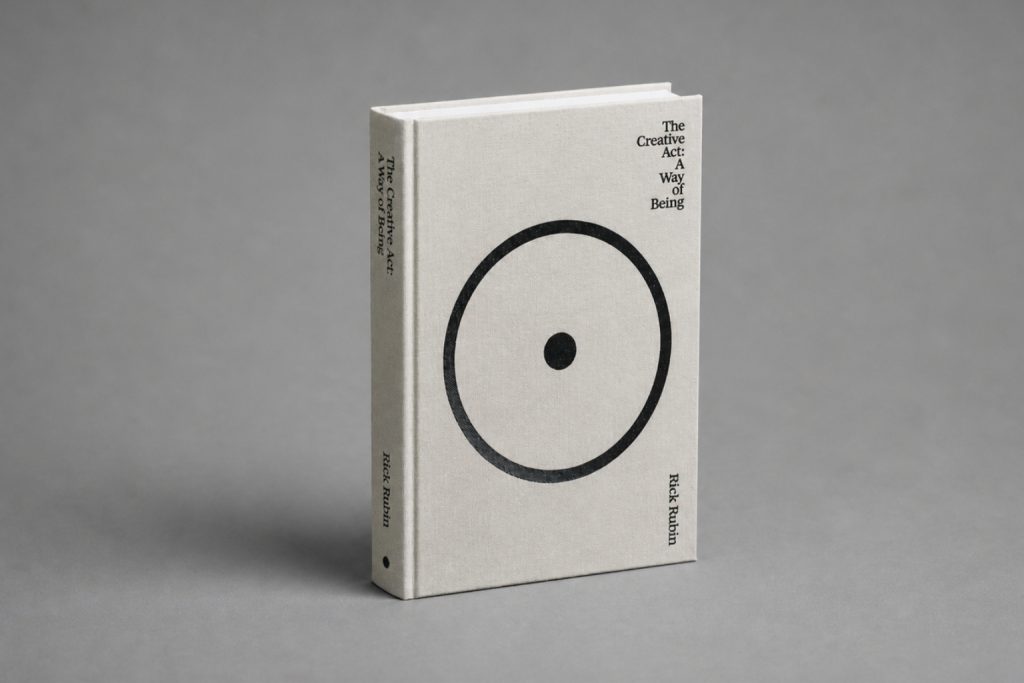
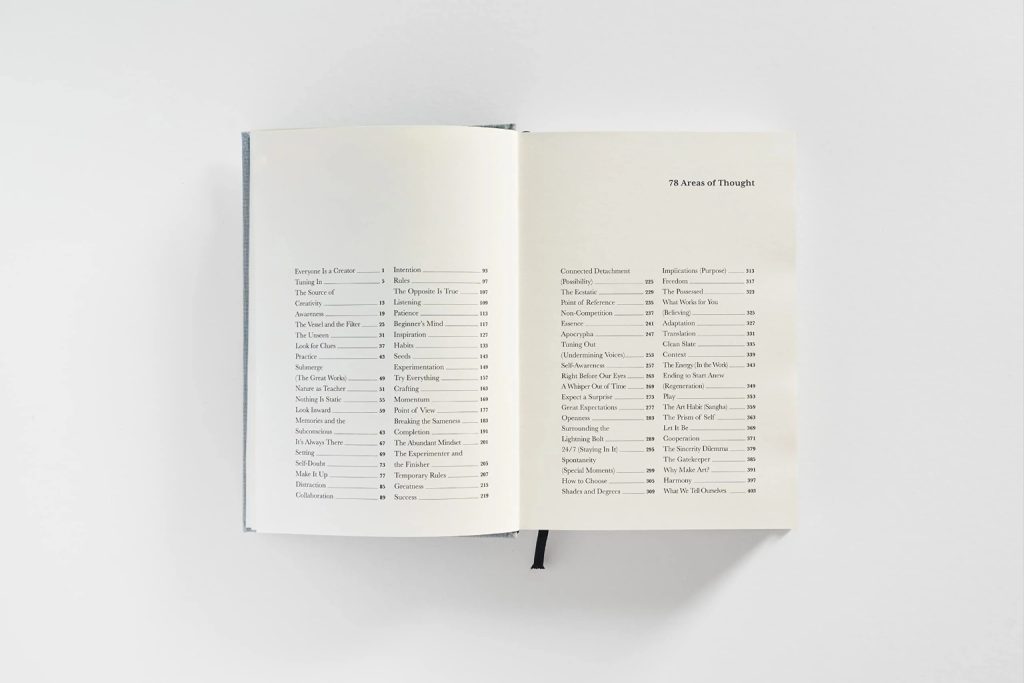
Visually, the book reinforces its conceptual ethos. The design is minimal, almost austere—ample white space, restrained typography, and a pacing that encourages slow reading. It is a text that resists consumption in the conventional sense. One does not move through it quickly; one returns to it, revisits passages, and allows meaning to accumulate gradually.
There are, however, limitations. At times, the book risks drifting into abstraction, where its insights—though elegant—can feel elusive. Without grounding in specific examples or critical frameworks, some readers may question how its ideas translate into practice. Yet it would be a mistake to judge the book by criteria it deliberately avoids. It is not concerned with teaching technique; it is concerned with recalibrating perception.
In the context of contemporary creative culture—often defined by productivity, output, and visibility—The Creative Act offers a necessary counterpoint. It slows the process down, reintroducing the value of stillness, observation, and internal alignment. In doing so, it repositions creativity not as a commodity, but as a condition of being.